Redrawing
AI Transforms Sketch to Photorealistic Soap Dispenser
Discover how advanced AI technology transformed a simple sketch into a photorealistic soap dispenser. This demonstrates the power of AI in industrial design.
Revolutionizing Industrial Design: AI's Role in Transforming Concepts
In the rapidly evolving field of industrial design, AI is proving to be an invaluable asset. Recently, a basic sketch of a soap dispenser was transformed into a stunning photorealistic image using advanced AI techniques. This transformation not only highlights the potential of AI in design but also sets a new standard for creativity and precision.
From Sketch to Reality: A Visual Transformation
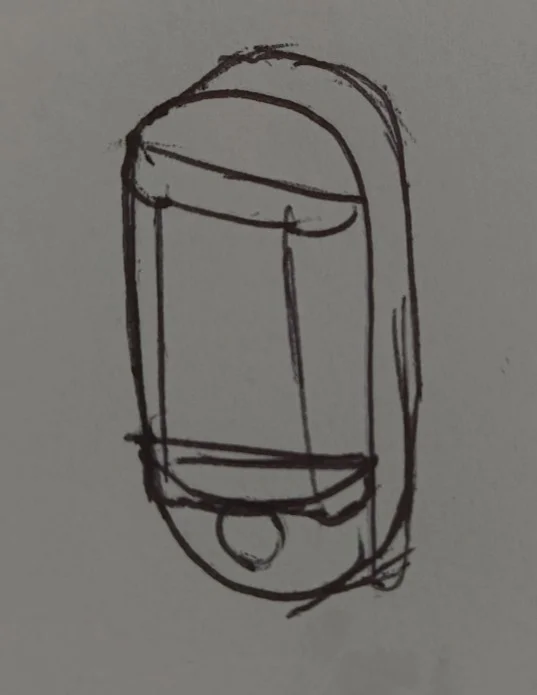
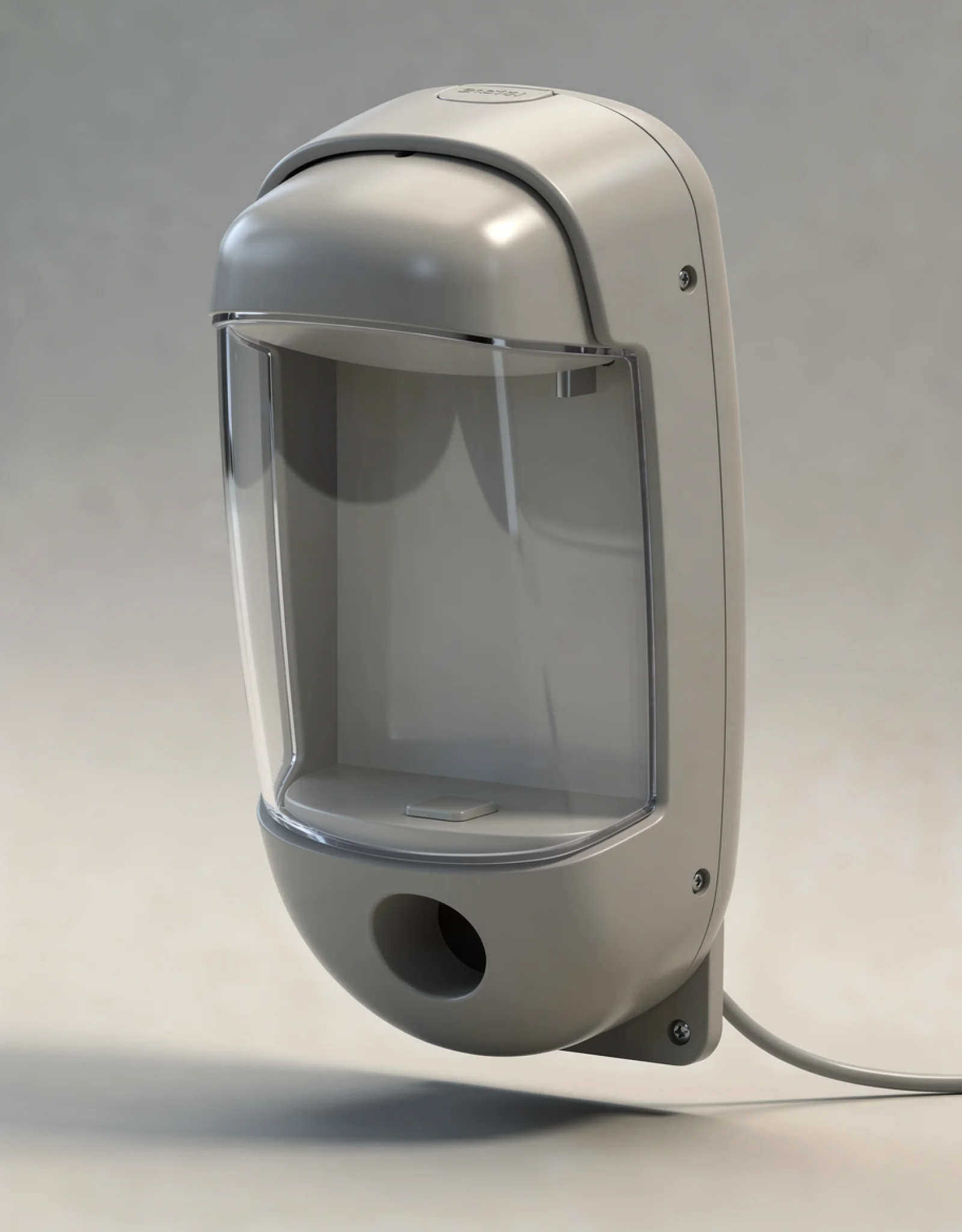
The original input was a simple hand-drawn sketch, capturing the basic shape and form of a soap dispenser. Through the use of AI, this preliminary concept was developed into a high-resolution, photorealistic render. The AI interpreted the basic lines and curves, adding depth, texture, and realistic lighting, resulting in a lifelike image.
AI Features Driving Innovation
The transformation was achieved using several key AI features: Sketch-to-Image Transformation allowed for precise control over the output, ensuring the final product stayed true to the original concept. High-Resolution Image Synthesis enhanced the quality, providing a clear and detailed visual. Additionally, Simple Prompt Generation streamlined the process, making it accessible for designers.
Technical Insights and Applications
This approach to design leverages Image-Based AI Generation and Photorealistic Rendering, enabling designers to visualize products before they are physically created. This technique can be applied to various fields, including product development and architectural visualization, offering a cost-effective and efficient solution for prototyping.
The Future of Design with AI
The integration of AI in design processes is not just a trend but a transformative shift. Industries can use these technologies to streamline their workflows, reduce costs, and enhance creativity. As AI continues to evolve, its applications in design will expand, offering limitless possibilities.
If you're interested in exploring the potential of AI in industrial design, consider implementing these technologies in your workflow to unlock new levels of innovation and efficiency.
Input Analysis
The input sketch shows a basic outline of a soap dispenser, with simple lines indicating shape and form.
Output Analysis
The AI-generated output is a photorealistic image of a soap dispenser, showcasing detailed textures, realistic lighting, and high-resolution quality.
Key Features
Techniques
May 12, 2026
Ultra HD PNG
Community Member
Love this style?
Use this creation as a foundation to build something entirely new with our AI directing toolkit.
75k+ community users
1. Spatial Structure Conditioning
This creation (#59172) was synthesized in the Draw3D Generative Studio using spatial edge-locking and depth conditioning. Unlike standard text-to-image tools that alter camera angles and proportions at random, Draw3D preserves the underlying sketch geometry while applying realistic surface shaders.
2. Physically Based Lighting & Materials
Our cloud GPU pipeline analyzes the structural contours of the input scene to calculate accurate global illumination, ambient occlusion, soft contact shadows, and physically based material reflections—turning rough concept lines or untextured CAD massings into client-ready presentation visuals in seconds.
3. Remix & Iterate in Studio
Want to adapt this style or lighting setup for your own architectural visualization, industrial design concept, or 3D scene? Click Remix Creation above to load this workflow directly into the Draw3D Workspace, where you can modify regions, adjust camera perspectives, or animate it into a cinematic video.